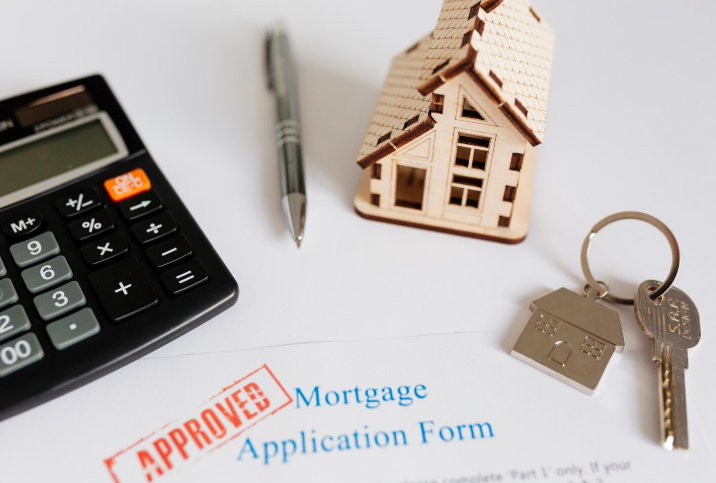
Mortgage Loan 2025
Understanding how a mortgage works is important for anyone planning to buy a house, invest in property, or use real estate for long-term financial security. Many first-time borrowers feel confused by the terms used in the home-loan market. Words like mortgage, mortgage rate, and mortgage price today can look simple, yet they carry very specific meanings. A clear explanation helps borrowers make better financial decisions and choose the right loan plan.
This article explains What is mortgage loan, how mortgage rates work, how lenders decide the price of a mortgage, and the factors that influence mortgage loans and rates. The goal is to give you a clear understanding without complicated financial language.
Introduction to Mortgages
A mortgage is a type of loan used to buy or refinance a property. When you take a mortgage, the house or property becomes the security for the loan. This means the lender has the right to take the property if the borrower does not repay. A mortgage allows people to buy homes even when they do not have the full amount available upfront.
Banks, housing finance companies, and other financial institutions offer mortgage loans. The repayment usually happens over many years, often ranging from ten to thirty years. Because the loan amount is large, the terms of the mortgage need to be understood clearly.
What Is Mortgage Loan?
A mortgage loan is a long-term loan given by a bank or financial institution to help a person purchase property. The property itself acts as the collateral. The borrower repays the loan in monthly installments, which include both the principal amount and the interest. If the borrower fails to repay, the lender has the legal right to sell the property to recover the loan amount.
Key features of a mortgage loan
-
It is secured by property.
-
It is usually a long-term loan.
-
Monthly payments include interest and principal.
-
Property ownership stays with the borrower, but the lender holds the rights until repayment.
-
Mortgage loans have specific interest structures called mortgage rates.
A mortgage loan helps people buy property without paying the entire amount at once. It spreads the cost over many years, making home ownership achievable for more families.
Importance of Understanding Mortgage Terms
Many people make financial decisions based only on interest rates or the monthly payment amount. But a mortgage has many components that affect the total cost. Learning the terminology helps borrowers compare offers from different lenders.
Important terms to know
-
Mortgage rate – the interest charged by the lender
-
Principal – the actual amount borrowed
-
Tenure – number of years for repayment
-
Down payment – upfront payment made by the borrower
-
EMI – monthly installment paid to the lender
When you understand these terms, you can negotiate better and choose a plan that suits your income and future financial goals.
How Mortgage Loans Work
Mortgage loans follow a straightforward structure. The lender provides money to the borrower. The borrower uses the money to buy property. In return, the borrower repays the loan over a fixed period with interest.
Step-by-step process
-
Application stage: Borrower submits documents related to income, identity, and property.
-
Loan approval: Lender evaluates the repayment ability and credit profile.
-
Property verification: Lender checks legal and physical status of property.
-
Loan disbursement: Money is transferred to the seller or borrower.
-
Monthly repayment: Borrower pays EMIs until the loan is completed.
-
Property release: After repayment, lender releases the mortgage deed.
This process ensures transparency and protects both the lender and borrower.
What Are Mortgage Rates?
A mortgage rate is the interest charged on a mortgage loan. It decides how much extra money a borrower pays over the life of the loan. Mortgage rates can vary depending on market conditions, bank policies, and the borrower’s financial profile.
Types of mortgage rates
-
Fixed mortgage rate – remains the same throughout the loan period.
-
Floating mortgage rate – changes based on market interest levels.
-
Hybrid mortgage rate – starts as fixed and later becomes floating.
Borrowers must select the rate type based on their stability of income and comfort with market fluctuations.
Factors Affecting Mortgage Rates
Lenders decide mortgage rates using a combination of economic and personal factors.
Major factors include:
-
Economic conditions: Inflation, government policies, and central bank rate changes affect rates.
-
Property type: Residential and commercial properties have different rate structures.
-
Loan amount: Higher loan amounts sometimes attract slightly higher rates.
-
Borrower’s credit history: Better credit scores usually lead to lower mortgage rates.
-
Loan tenure: Long-term loans may have different rates than short-term ones.
This makes it important to check the mortgage price today instead of relying on old information.

What Does Mortgage Price Today Mean?
The phrase mortgage price today refers to the current interest rate and the approximate cost of taking a mortgage at this moment. Mortgage prices change frequently due to market conditions. Borrowers often look at daily mortgage prices to decide when to apply for a loan.
Mortgage price today depends on:
-
Current mortgage rates offered by lenders
-
Market inflation trends
-
Changes in lending regulations
-
Competition among financial institutions
Checking daily mortgage prices helps borrowers select the right time to apply, especially when interest rates are lower.
Types of Mortgage Loans
Different borrowers have different needs. To meet these needs, banks offer several types of mortgage loans.
1. Home Purchase Mortgage
Used to buy a new or resale house. This is the most common mortgage type.
2. Home Construction Mortgage
Offered to borrowers who want to build a house on their own land.
3. Home Improvement Mortgage
Used for repairing, renovating, or improving an existing property.
4. Loan Against Property
Borrowers use their existing property to get a loan for education, business, or personal needs.
5. Commercial Property Mortgage
Used to buy or refinance offices, shops, or commercial buildings.
Each mortgage type has different rates and eligibility criteria.
Benefits of a Mortgage Loan
A mortgage loan provides long-term financial advantages to individuals and families.
Key benefits
-
Enables home ownership without full upfront payment
-
Allows repayment through manageable EMIs
-
Helps build strong financial discipline
-
Offers tax benefits in many countries
-
Can be used to increase property investments
-
Helps improve credit history when repaid on time
Because of these advantages, mortgage loans remain popular across the world.
Risks Involved in Mortgage Loans
Although mortgages offer benefits, they also carry responsibilities.
Possible risks
-
Failure to repay may lead to loss of property
-
Rising floating mortgage rates may increase EMI
-
Long-term debt requires steady income
-
Late payments affect credit score
Understanding these risks helps borrowers plan better and avoid financial stress.
How to Choose the Right Mortgage Loan
Selecting the best mortgage involves careful comparison. Borrowers should look beyond the interest rate and review all features.
Things borrowers should check
-
Mortgage rate type (fixed or floating)
-
Total cost of the loan
-
Processing fees
-
Prepayment charges
-
Customer support quality
-
Flexibility in repayment options
By reviewing these aspects, borrowers can choose a loan that fits their financial situation.
Mortgage Loans and Rates: What Borrowers Should Know
Mortgage loans and rates change based on market trends. Borrowers must be aware of rate movements to avoid paying more than necessary.
Important points
-
Compare mortgage loans and rates from multiple lenders.
-
Check the mortgage price today before applying.
-
Understand how a small change in rate affects long-term cost.
-
Choose a loan that fits your income stability.
Staying updated helps borrowers make informed decisions.
Comparison Table for Quick Understanding
| Topic | Explanation |
|---|---|
| Mortgage | A loan secured against property for buying or refinancing. |
| What is mortgage loan | A property-backed loan repaid in monthly installments. |
| Mortgage rates | Interest charged on mortgage loans. |
| Mortgage rate types | Fixed, floating, and hybrid. |
| Mortgage price today | Current rate and cost of taking a mortgage. |
| Mortgage loans and rates | Complete package of loan features and the interest charged. |
Practical Tips for First-Time Borrowers
-
Start with a clear budget.
-
Maintain a good credit score.
-
Keep documents ready before applying.
-
Choose a property with clean legal records.
-
Read the loan agreement carefully.
-
Avoid excessive borrowing.
-
Review both fixed and floating rate options.
-
Compare offers from multiple lenders.
These steps help borrowers avoid confusion and make confident choices.
Conclusion
A mortgage loan is one of the most important financial decisions in a person’s life. Understanding What is mortgage loan, how mortgage rates work, and how mortgage price today changes helps borrowers manage their money better. When chosen wisely, a mortgage supports long-term security, stable housing, and valuable investments.
Borrowers who take time to study mortgage loans and rates are better prepared to select the right plan, handle repayments smoothly, and build a stronger financial future.