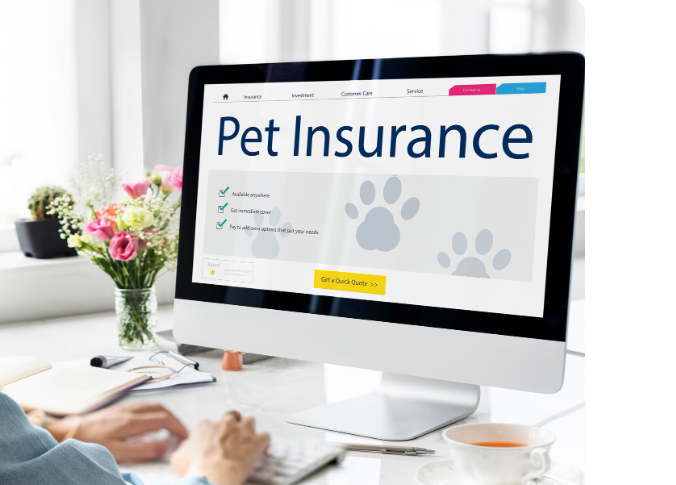
Pet Insurance
Many families today treat their pets like real family members, so unexpected medical bills can become stressful. This is where pet insurance helps. It acts like a safety net that supports owners during medical emergencies or sudden health problems. Even simple treatments can cost more than expected, and bigger procedures may become extremely heavy on the budget. A well-chosen plan ensures that the pet receives proper medical care without delaying treatment due to cost concerns. For many people, a pet insurance policy is no longer optional. It is becoming a routine part of responsible pet ownership, especially in urban areas where veterinary expenses continue to rise.
How Pet Insurance Works
The basic idea behind pet insurance for pets is simple. Owners pay a fixed premium every month or year. When the pet needs treatment, the owner pays the clinic first and then files a claim with the insurer. Some insurers offer direct billing with partnered clinics, but many follow the reimbursement method. The amount returned depends on the plan’s coverage level. Medium-level plans usually cover accidents and common illnesses, while advanced plans may cover surgeries, diagnostics, chronic diseases, and sometimes even dental treatment. Most pet owners prefer a plan that balances cost and protection, especially when dealing with routine and emergency care.
Main Components of a Policy
• Premium: Amount paid regularly for coverage
• Deductible: Initial amount paid by the owner before insurance starts
• Reimbursement rate: Percentage of bill the insurer returns
• Annual limit: Maximum payout allowed in one policy year
Understanding these points helps owners select a suitable plan that matches their pet’s health needs
Types of Coverage Available for Pet Owners
Choosing the right type of plan depends on lifestyle, breed, and health conditions. Some pets require minimal coverage, while others need more detailed medical protection. Here are the common types of plans found in the market.
Accident-Only Plans
These plans cover injuries like fractures, bites, and accidental wounds. They are affordable and suitable for younger animals who are active and playful.
Accident and Illness Plans
This category covers both unexpected injuries and health issues like infections, digestive problems, and allergies. Many owners consider this the best pet insurance option because it suits most general medical needs.
Comprehensive Plans
Comprehensive packages offer the widest protection. They may include accidents, illnesses, long-term treatments, advanced tests, hospitalization, and sometimes dental care. Owners who want complete peace of mind prefer this category.
Comparison of Common Pet Insurance Plans
| Type of Plan | What It Covers | Who Should Choose |
|---|---|---|
| Accident-Only | Injuries, fractures, bites | Young and highly active pets |
| Accident + Illness | Infections, fevers, digestive issues, minor surgeries | Most pet owners |
| Comprehensive | Serious illnesses, hospitalization, diagnostics, dental, emergencies | Owners wanting complete coverage |
Why Pet Insurance Matters More Today
Medical treatment for pets has improved rapidly. Clinics now use advanced machines, expert specialists, and high-quality medicine. Better care also means higher costs. Pet insurance for pets protects owners from sudden financial strain. A single emergency visit can cross several thousand in fees, depending on the condition. Without a plan, some families delay treatment or look for cheaper alternatives, which may affect recovery. Insurance encourages owners to seek immediate help because they know the cost will be manageable. Another advantage is that pets receive preventive care on time. Regular check-ups, routine screenings, and vaccinations prevent major problems later. Owners who insure their pets usually follow better wellness habits because they want to keep their insurance claims smooth.
Key Benefits
• Helps manage sudden medical expenses
• Encourages early treatment
• Supports long-term health conditions
• Reduces financial stress
• Makes quality medical care more accessible
Pet Insurance for Dogs — Why Dog Owners Need It More
Dogs tend to be more active than many other pets. They run, jump, explore, chew things, and sometimes get into situations that cause injuries or health issues. Because of this energetic nature, pet insurance for dog owners becomes very important. Many dog breeds are prone to specific medical problems. Large breeds often face joint issues, while smaller ones may have dental or respiratory challenges. Without coverage, managing breed-related conditions becomes expensive. Owners who choose pet insurance dogs policies make sure their pets receive proper care even when health issues appear early. Emergency cases are also common among dogs. They sometimes swallow harmful objects, get hit by vehicles, or experience sudden infections. Emergency surgery or intensive care can be extremely costly, and insurance helps reduce the burden.
Common Dog Conditions Covered
• Skin allergies
• Digestive troubles
• Ear and eye infections
• Hip or joint issues
• Heart-related problems
• Senior-age diseases
Dogs also benefit from routine wellness add-ons offered by many insurers. These may include annual health checks, blood tests, parasite control, and dental cleaning options.
How to Choose the Best Pet Insurance Plan
The “best” plan is different for every family because each pet has a unique health profile. Some pets rarely fall sick, while others need more frequent care. The ideal plan should offer useful coverage for a reasonable cost. Start by reviewing benefits and limitations. A policy may look affordable but may not cover common illnesses your pet might face. Premiums vary depending on age, breed, and location. Early enrollment is helpful because younger pets have fewer health problems. Claim procedures should be simple. A good insurer provides clear instructions, responsive support, and quick settlement. Owners should also check if any clinics nearby offer cashless services with that insurer. This makes emergency visits easier.
Factors to Compare
• Cost of premium
• Coverage type
• Exclusions
• Annual limit
• Waiting period
• Customer reviews
• Reimbursement speed
Mistakes to Avoid
• Ignoring the fine print
• Picking the cheapest plan without checking coverage
• Waiting until the pet becomes old
• Overlooking pre-existing condition rules
Making an informed decision results in better long-term protection.
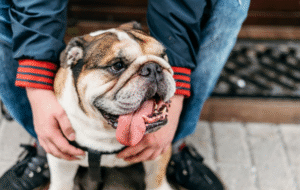
Understanding Costs and What Influences Pricing
The cost of a pet insurance plan depends on multiple factors. Young pets usually have lower premiums because they face fewer medical issues. Older pets, on the other hand, cost more due to higher risks of illness. Breed is another important factor. Some breeds are more likely to develop genetic conditions, which raises the premium. Location also matters. Areas with higher veterinary costs naturally affect insurance pricing. Even the coverage type you choose influences the amount. Accident-only plans are cheaper, while comprehensive packages cost more but offer better protection.
Top Factors That Affect Price
• Age of the pet
• Breed and size
• Type of plan
• Coverage amount
• Deductible level
• Local clinic costs
Most companies allow owners to customize deductibles and limits to adjust the price according to budget.
Table: Example of How Pet Profiles Affect Cost
| Pet Profile | Premium Level | Reason |
|---|---|---|
| Young small dog | Lower | Fewer health risks |
| Senior dog | High | Age-related issues |
| Large breed | Medium–High | Joint and bone conditions |
| Mixed-breed cat | Medium | General illnesses |
| Purebred cat | Medium–High | Genetic risks |
Why Early Enrollment Matters
Insuring the pet early has several advantages. Younger pets have fewer exclusions and enjoy lower premiums. Pre-existing conditions are also avoided because the pet is healthy at the time of enrollment. Owners who wait until the pet ages often face limited options, higher premiums, and stricter rules. Insurance companies sometimes refuse new policies for very old animals, so early planning ensures long-term coverage. Early enrollment also helps the pet build a complete health record with the insurer, making future claims smoother.
How Claims Work
The claim process should be simple for owners. After receiving treatment, the owner collects the medical bills and submits them to the insurer with supporting documents. Some companies provide mobile apps that speed up submission. Claim approval time depends on the insurer’s process, but many settle within a few days. Keeping medical records organized helps avoid delays. Owners should also check what documents are needed to avoid confusion.
Common Claim Requirements
• Invoice from clinic
• Medical report
• Diagnosis details
• Prescription, if required
• Payment receipt
Good insurers offer helpful customer service to guide owners through each step.
Final Guidance for Pet Owners
Choosing the right pet insurance is not about picking the cheapest or the most expensive plan. It is about finding a balance between cost and coverage. Every pet deserves quick and proper medical care, especially during emergencies. Insurance helps owners stay prepared and avoid financial stress. For dogs, in particular, coverage becomes even more important due to active lifestyles and breed-related risks. Cat owners also benefit because illnesses can appear suddenly, and early treatment makes a big difference. Trusted insurers provide clear terms, reliable support, and flexible plans suitable for all types of pets. Owners who compare carefully get better long-term value from their plans.
Practical Tips for Better Protection
• Insure your pet early
• Compare two or three insurers before choosing
• Review coverage each year
• Keep medical records safe
• Choose a plan that matches the pet’s health needs
• Read exclusions to avoid surprises
FAQ’s : Pet Insurance Quotes
1. What is pet insurance and why do pet owners need it?
Pet insurance is a health plan that helps cover medical costs for pets. It reduces the burden of expensive treatment bills and allows owners to give proper care without worrying about sudden costs.
2. How does pet insurance for dogs usually work?
Pet insurance for dog owners works like a regular health plan. You pay a premium, visit a vet, submit bills, and the insurer gives back a percentage of the approved amount. It helps with accidents, illnesses, and sometimes routine checkups.
3. What is covered under most pet insurance plans?
Most plans include:
-
Accidents
-
Illnesses
-
Surgeries
-
Emergency care
-
Diagnostic tests
Some premium plans also cover dental care and preventive care.
4. Is there a difference between insurance for dogs and other pets?
Yes. Pet insurance for pets like birds, rabbits, and cats may have different coverage limits. Dogs often have wider coverage because they require more outdoor care and may face more injuries or infections.
5. Which company offers the best pet insurance?
There is no single “best” choice for everyone. The best pet insurance depends on your pet’s age, breed, health condition, and your budget. A good plan should have fair premiums, quick claim processing, and clear terms.
6. Are pre-existing issues covered?
Most companies do not cover conditions your pet already had before buying the policy. It is better to buy insurance when your pet is young and healthy.
7. How much does pet insurance cost every month?
The price depends on your pet’s breed, age, location, and plan type. Dog insurance usually costs more than cat insurance. Accident-only plans are cheaper than full coverage plans.
8. Can I buy pet insurance online easily?
Yes. Many companies let you compare plans, calculate premiums, upload documents, and buy the policy online. The process usually takes less than 10 minutes.